
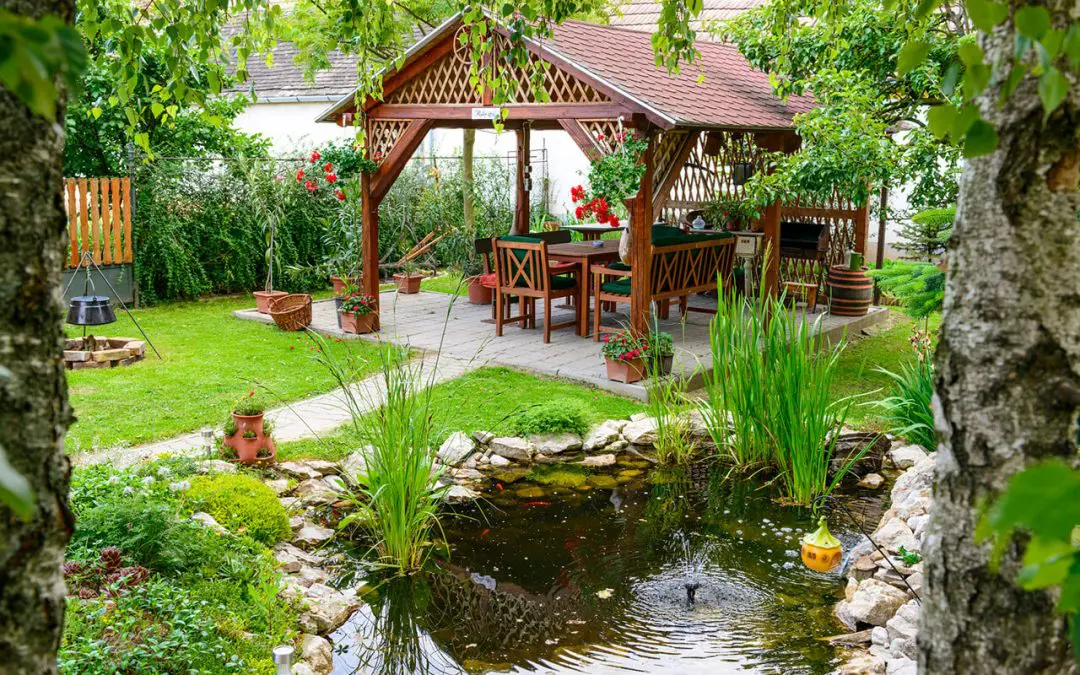
A well-designed yard is the result of thoughtful planning, smart plant selection, and a clear vision for how the space should look and function. Landscape design is about more than just making a yard attractive; it’s creating an outdoor environment that works for your lifestyle, complements your home’s architecture, and holds up beautifully through every season. Whether you’re starting with a blank slate or bringing order to an overgrown yard, these practical landscape design principles give you the foundation to create an outdoor space you’ll be proud of for years to come.
Start Every Landscape Design Project With a Solid Plan
The single most important step in any landscape design project is planning before spending a single dollar on plants or materials. Sketch your property to scale, noting existing features like trees, structures, utility lines, and drainage patterns. Identify areas of sun and shade, prevailing wind directions, and any problem areas, like low spots that collect water or slopes prone to erosion. A well-considered plan prevents the costly mistakes that come from buying first and thinking second, and gives every subsequent decision a framework to build from.
Choose Plants That Work With Your Landscape Design
Plant selection is where most landscape design projects succeed or fail. The most common mistake is choosing plants based on appearance without considering whether they suit the specific conditions of the yard. Native plants and climate-adapted species are the foundation of any successful, low-maintenance landscape, they establish quickly, require less water, and resist local pests without chemical intervention. Always consider the mature size of every plant before placing it. A shrub that looks perfect in a small pot may overwhelm a space within a few years if its growth habit isn’t accounted for in the design.
Use Landscape Design Principles to Create Visual Interest
A yard that looks professionally designed typically applies a handful of fundamental principles that work together to create a cohesive result. Balance gives the landscape a sense of order and intention. Repetition of specific plants, colors, or materials creates visual continuity that ties different areas of the property together. Varying plant heights, tall at the back, medium in the middle, and low groundcovers at the front, create layered depth that makes even a modest planting feel lush and well-considered. Focal points like a specimen tree or a prominent planting draw the eye and give the landscape a sense of destination.
Balance Hardscaping and Softscaping
The most successful residential landscapes strike a thoughtful balance between hardscaping, patios, pathways, and retaining walls, and softscaping, the plants, lawn, and living elements that bring color and life to the space. Too much hardscaping feels cold and urban, too much softscaping without structure feels overwhelming and difficult to maintain. Pathways that guide movement, a patio that creates a defined outdoor living zone, and retaining walls that address grade changes all contribute to a structure that makes the living elements around them look more intentional. Choosing hardscaping materials that complement the home’s exterior ensures the entire property feels cohesive.
Maintain the Vision With Ongoing Landscape Care
Even the most beautifully designed landscape requires consistent maintenance to continue looking its best, and building a realistic maintenance plan into the design from the start prevents the gradual decline that overtakes neglected yards. Choosing lower-maintenance plants, mulching beds heavily, installing efficient irrigation, and addressing issues promptly before they compound all keep a well-designed landscape performing at its best with manageable ongoing effort. Revisiting the design every few years to replace underperforming plants and add new elements keeps the landscape feeling fresh and intentional rather than dated.
Frequently Asked Questions (FAQs)
Where do I start with landscape design for my yard?
Start with a clear assessment of your property, sketch the space, identify sun and shade patterns, note existing features, and define how you want to use the outdoor space. Getting clear on goals, budget, and maintenance before selecting any plants or materials prevents costly decisions made in isolation.
Do I need a professional, or can I design my landscape myself?
Many homeowners successfully design and install their own landscapes, particularly for smaller or simpler projects. For larger projects involving significant grading, hardscaping, or high-visibility properties, a professional landscape designer is a worthwhile investment.
How do I choose the right plants for my landscape design?
Start with your site conditions, sun exposure, soil type, drainage, and climate zone, and select plants suited to those specific conditions. Native plants and regionally adapted species are the most reliable foundation.
How long does it take for a new landscape to look established?
Most new landscapes begin looking noticeably more established after two to three growing seasons as perennials fill in and shrubs take shape. Choosing larger specimens for key focal points delivers immediate visual impact while surrounding plantings continue to develop, a common strategy for balancing budget and appearance in new landscape installations.
GreenTech Home Inspections offers home inspections to customers in the Greater Las Vegas area. Contact us to request our services.